
Back-to-school season has a way of making small laundry problems feel a lot bigger. During summer, a dryer that needs an extra cycle may be annoying, but manageable. A washer that shakes once in a while might get ignored. A slightly musty smell may seem like something you will deal with later.
School starts. Suddenly, laundry is not just laundry. It is school clothes, sports uniforms, towels, work outfits, bedding, practice gear, and the shirt someone needs clean by tomorrow morning. When the washer or dryer is already acting unreliable, the busier routine can turn a small issue into a weekly frustration.
The good news is that not every laundry problem means your washer or dryer is about to fail. Some issues are simple maintenance. Some are load-size habits. Some are early signs that a part, drain system, airflow path, or heating component needs attention. The key is knowing which problems are worth checking now, before the school routine gets busy.
Quick Answer: Which Washer and Dryer Problems Should You Check Before School Starts?
Before school schedules ramp up, pay attention to washer and dryer problems like clothes taking too long to dry, loads coming out too wet, musty smells, washer shaking, slow draining, water left in the drum, burning smells, weak dryer heat, repeated error codes, or loud noises during spin.
Some of these issues may be caused by simple things like lint buildup, overloaded loads, too much detergent, blocked dryer airflow, or an unbalanced washer. But if the problem keeps happening after basic checks, it may be worth getting an honest diagnosis before laundry piles up during the school week.
Why Back-to-School Season Makes Laundry Problems More Noticeable
Most washer and dryer problems do not appear out of nowhere. They usually build slowly.
- A dryer takes a little longer than it used to.
- A washer spins louder than normal.
- A load smells off even after washing.
- The machine drains, but not as cleanly as before.
- Clothes come out damp, so the dryer has to work harder.
During a slower season, those problems may be easy to work around. During back-to-school season, they become harder to ignore because the laundry schedule is less forgiving.
Families often run more loads when school starts because of:
- School clothes
- Sports uniforms
- Practice gear
- Towels
- Work clothes
- Bedding
- Last-minute morning needs
- Larger mixed loads when the week gets busy
That extra demand does not always cause the problem. It reveals the problem. If the washer or dryer has been barely keeping up, the start of school can be the moment you finally notice it is no longer dependable.
Dryer Taking Two Cycles? Start With Airflow
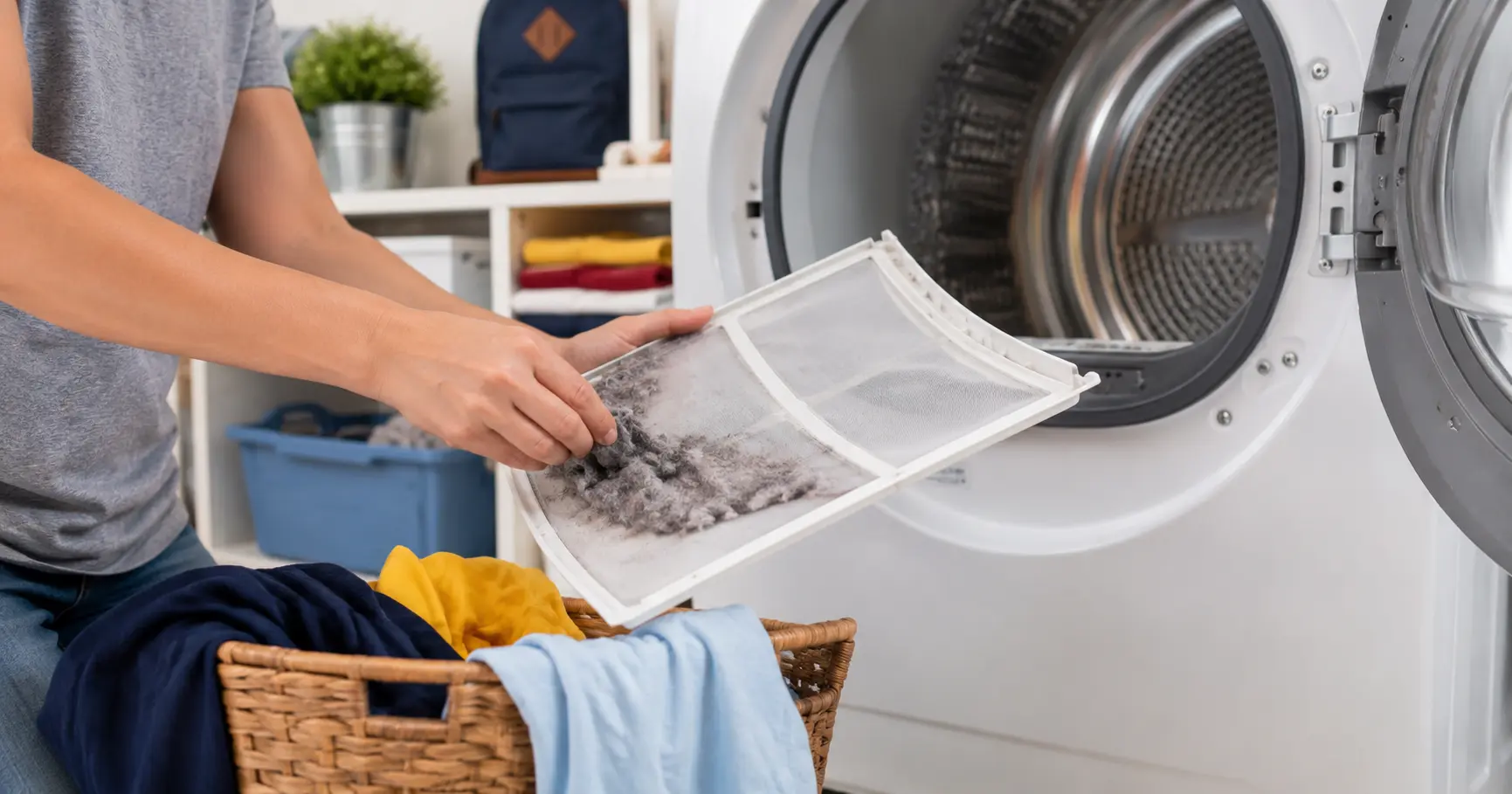
One of the most common laundry complaints is:
“My dryer still works, but every load takes forever.”
This is easy to dismiss because the dryer technically still runs. But a dryer that regularly needs two cycles is worth paying attention to. Sometimes the cause is simple. The lint screen may be packed. The dryer vent hose may be kinked behind the machine. The outside vent may be blocked with lint, debris, or a stuck flap. The load may be too large or too heavy.
Start with the basics:
- Clean the lint trap before every load.
- Look behind the dryer and make sure the vent hose is not crushed.
- Check the outside vent while the dryer is running to see if air is moving out.
- Try a smaller load and avoid mixing heavy towels with lightweight clothes.
If the dryer improves after those changes, you may have caught a simple airflow or load-size problem. But if the dryer still takes multiple cycles, the issue may be deeper. Weak heat, poor airflow, a failing heating component, a blower issue, or a sensor problem can all make drying less effective. This is one of the problems families often tolerate too long. By the time school clothes, uniforms, and towels are back in the weekly routine, a slow dryer can create a constant backlog.
Clothes Coming Out of the Washer Too Wet
Sometimes the dryer is blamed for a problem that actually starts in the washer. If clothes come out of the washer heavier, wetter, or more waterlogged than usual, the dryer has to work much harder. Even a healthy dryer will struggle if the washer is not spinning enough water out first.
A washer may leave clothes too wet because of:
- An overloaded cycle
- An unbalanced load
- A drain issue
- A clogged drain filter
- A weak or failing drain pump
- A spin cycle problem
- A door lock or lid switch issue
- A worn belt or motor-related issue
Before assuming the washer needs repair, try running a smaller load. Heavy towels, jeans, hoodies, and sports gear can throw off the balance of the drum, especially when everything gets washed together during a busy week.
If normal-sized loads still come out too wet, or if the washer seems to skip or struggle during the spin cycle, that is worth looking into. A washer that does not remove enough water does not just slow down laundry. It can also put extra strain on the dryer because the dryer is forced to do more work every cycle.
Washer Smells Musty Even After Cleaning
A musty washer smell is frustrating because it makes clean laundry feel not-so-clean. This can happen when moisture, detergent residue, fabric softener, or debris builds up inside the washer. Front-load washers are especially known for odor issues around the door gasket, but top-load washers can develop smells too.
Simple things to check first:
- Leave the washer door or lid open after use so moisture can escape.
- Wipe the rubber door gasket if you have a front-load washer.
- Use the recommended amount of detergent, not more.
- Run a washer cleaning cycle if your machine has one.
- Check whether wet clothes are being left in the washer too long.
- Avoid overusing fabric softener, which can contribute to buildup.
If the smell improves, the issue may have been maintenance-related. But if laundry still smells musty, or if water seems to sit in the drum or drain area, there may be a drainage or buildup issue that needs more attention.
This matters before school starts because sports clothes, towels, and uniforms already carry more odor than regular laundry. If the washer is not rinsing, draining, or drying out properly, the smell problem can become more noticeable fast.
Washer Not Draining All the Way
A washer that does not drain fully can quickly turn laundry into a problem. You may notice water left in the drum, clothes sitting in soapy water, a cycle that stops before finishing, or a drain error code. Sometimes the washer hums, pauses, or seems to try draining without fully clearing the water.
Possible causes include:
- A clogged drain filter
- Something stuck in the pump
- A kinked drain hose
- A failing drain pump
- A control or sensor issue
- A lid switch or door lock problem
If this only happens once, it may be worth checking for an obvious blockage or load issue. But repeated draining problems should not be ignored. A washer that drains inconsistently may work fine one day and leave you stuck the next. That is exactly the kind of issue that becomes stressful during a school week when laundry is already scheduled around everything else.
Washer Shaking, Banging, or Walking During Spin
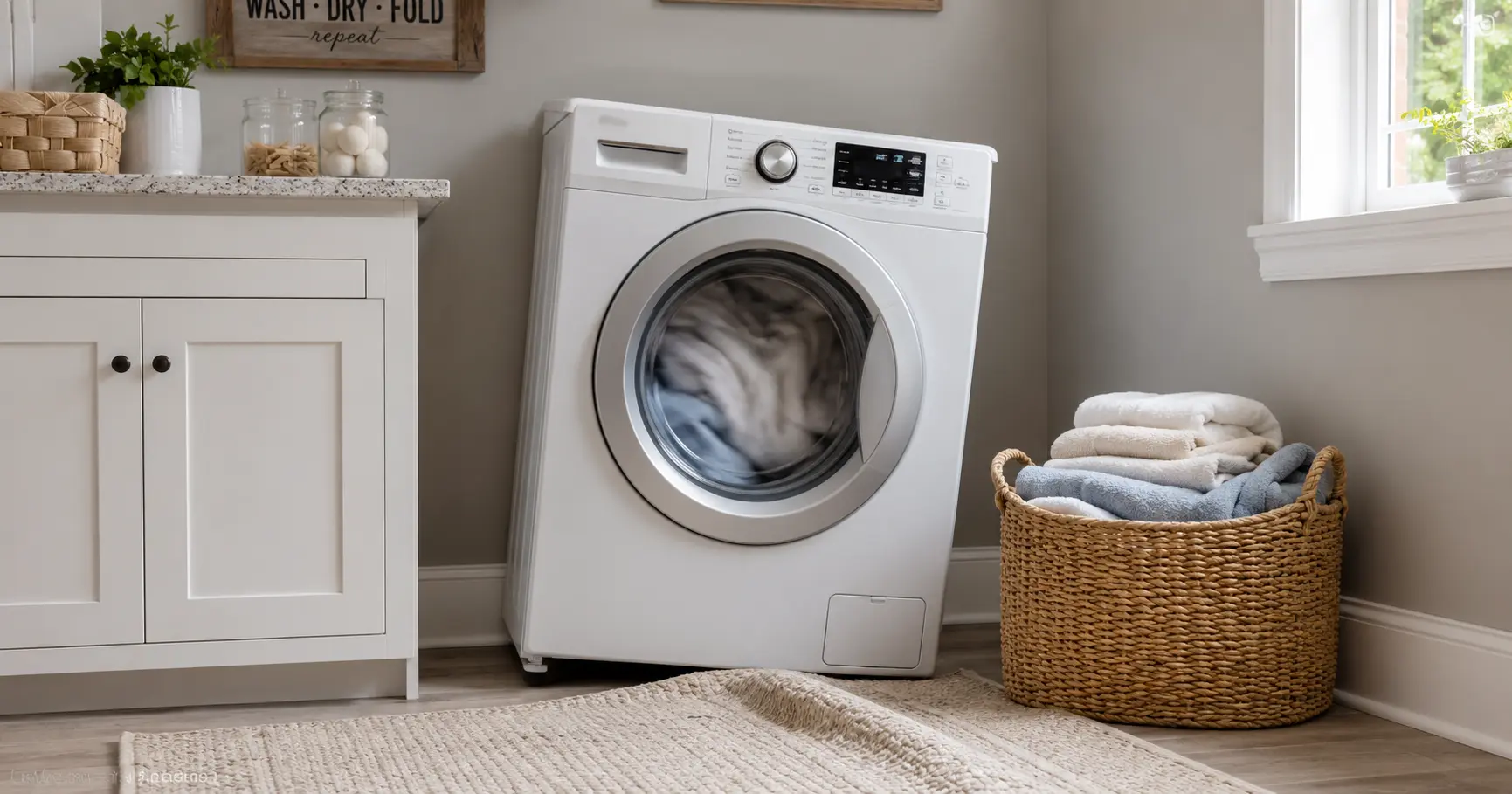
Some washer movement is normal, especially with heavy or unbalanced loads. But loud banging, violent shaking, or a washer that moves across the floor during spin is not something to shrug off.
First, check the simple possibilities:
- Is the washer level?
- Is the load too heavy?
- Are towels, jeans, or blankets clumped on one side?
- Is the machine sitting firmly on the floor?
- Try redistributing the load or washing fewer heavy items at once.
If the shaking continues with normal loads, the issue may involve suspension parts, shocks, rods, balance components, or internal wear. The longer it goes on, the more stress it can place on the machine. This is a good example of a “still working, but not quite right” problem. The washer may complete the cycle, but the noise and movement are warning signs that something deserves attention.
Dryer Heating Weakly or Inconsistently
A dryer does not have to stop heating completely to have a problem. You may notice that some loads dry fine while others stay damp. The dryer may feel warm, but not hot enough. It may start strong and then fade. Or it may dry lightweight items but struggle with towels, jeans, and school clothes.
Possible causes include:
- Restricted airflow
- A heating element issue
- A thermostat problem
- A moisture sensor issue
- A gas supply or ignition issue for gas dryers
- A cycling problem that prevents steady heat
Before calling for repair, it is fair to check the lint trap, vent hose, and outside vent. Airflow is one of the first things to rule out. But if airflow looks clear and the dryer still heats inconsistently, it is worth having the machine diagnosed. Guessing at dryer heat problems can be frustrating because several different parts can create similar symptoms.
Burning Smell From the Dryer
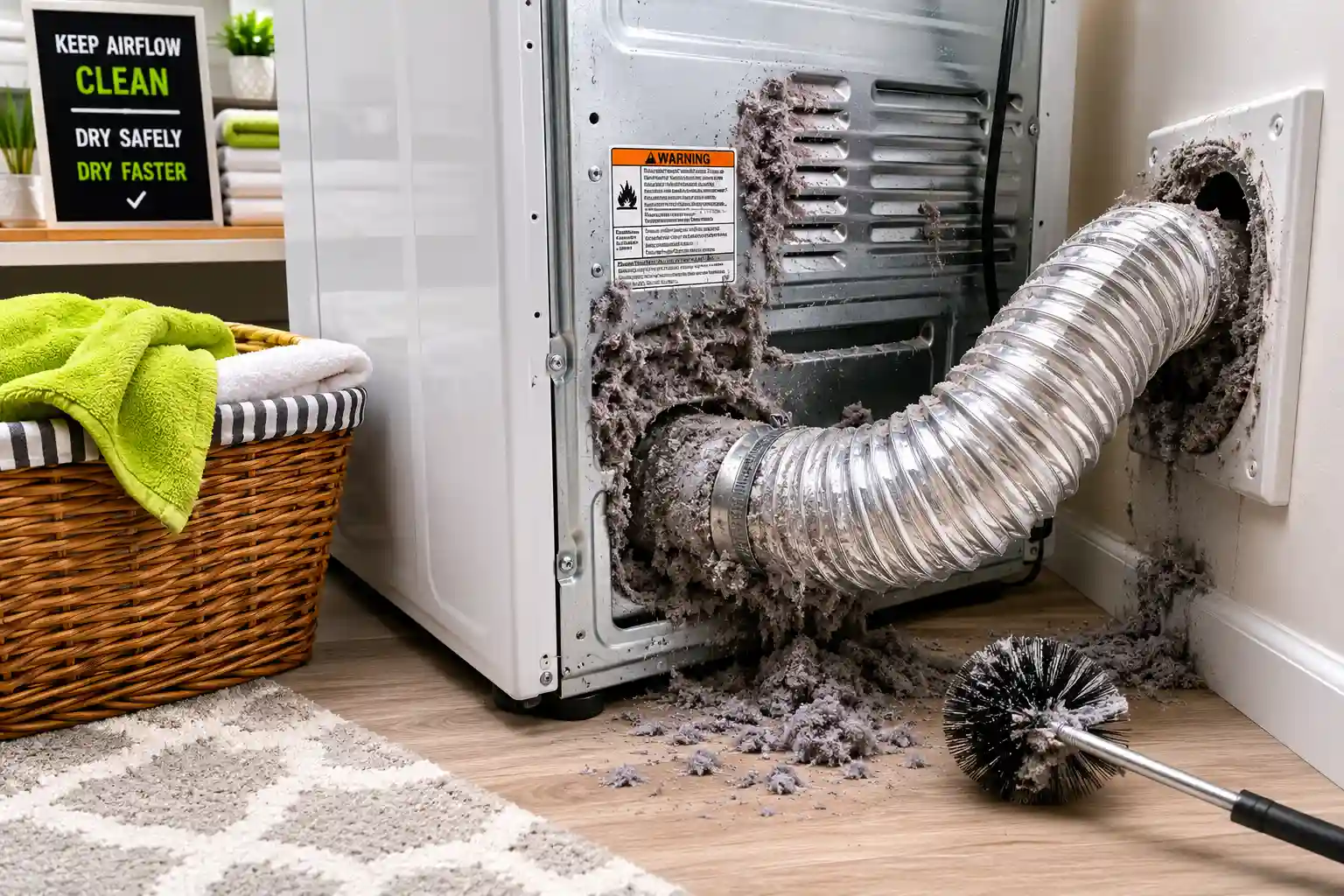
A burning smell should be treated differently from a slow-drying complaint. If you smell burning during a dryer cycle, stop using the dryer until you can check the obvious causes. Lint buildup, restricted airflow, items trapped near the heat source, or a mechanical issue can all create odor concerns.
Start by checking:
- The lint screen
- The area around and behind the dryer
- The vent hose
- The outside vent
- Whether anything unusual is inside the drum
If the smell continues after cleaning and checking airflow, do not keep running extra cycles to see if it goes away. This is one of the clearer red flags. It may not mean the dryer is beyond repair, but it does mean the issue should be taken seriously.
Repeated Error Codes
An error code can be helpful, but it does not always tell the whole story. A washer or dryer code may point toward a door lock, drainage issue, airflow issue, temperature problem, sensor problem, or control issue. Sometimes the code is triggered by something simple. Other times, it points to a part or system that needs diagnosis.
The important question is whether the code keeps coming back. If you see a code once after an overloaded load, you may be able to reset the machine and adjust how you use it. But if the same code returns repeatedly, it is usually not something to ignore.
Before school routines get busy, repeated error codes are worth dealing with because they often show up at the worst possible time: mid-cycle, with wet clothes inside.
What You Can Check Before Calling for Washer or Dryer Repair
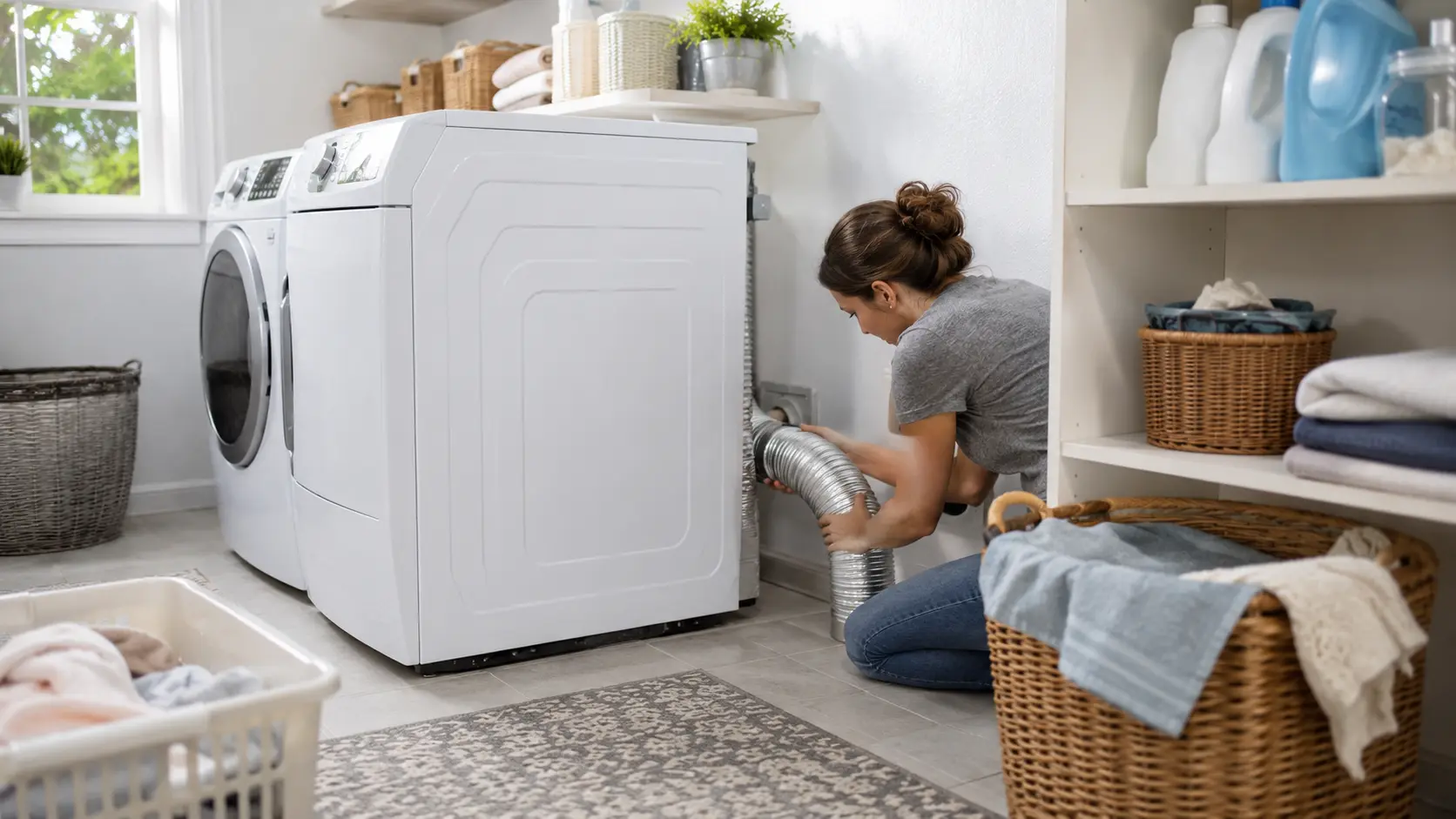
If you are not sure whether your washer or dryer issue is serious, start with a few practical checks.
For dryers:
- Clean the lint trap.
- Check the vent hose behind the dryer.
- Make sure the outside vent is not blocked.
- Try drying a smaller load.
- Avoid mixing towels and lightweight clothes in the same load.
- Notice whether the laundry room feels unusually hot or humid.
For washers:
- Run a smaller, balanced load.
- Use the correct amount of detergent.
- Check whether clothes are coming out too wet.
- Look for water left in the drum.
- Clean the washer gasket or run a cleaning cycle.
- Listen for new grinding, banging, humming, or clicking sounds.
- Watch whether the washer completes the full cycle.
These checks can help you separate a simple maintenance problem from a pattern that deserves a closer look.
When It Makes Sense to Have the Washer or Dryer Looked At
It may be time to call for a diagnosis if:
- The dryer needs multiple cycles even after cleaning the lint trap.
- The dryer heats inconsistently.
- The dryer has a burning smell.
- The washer leaves clothes soaked.
- The washer does not drain fully.
- The washer shakes violently with normal loads.
- The washer leaks.
- Laundry smells musty even after cleaning the washer.
- The same error code keeps coming back.
- The appliance works sometimes but not reliably.
For a homeowner, the question is usually not, “Is this broken right now?”
The better question is:
“Is this likely to interrupt our routine if I wait?”
If the answer feels like yes, it is probably worth getting a clearer answer before the school week gets busier.
Should You Repair, Wait, or Replace?
This is the question many homeowners are really asking. If the washer or dryer is newer, the issue is isolated, and the rest of the appliance has been dependable, repair may make sense. If the appliance is older, has had repeated problems, or the repair is likely to be expensive, replacement may be worth considering. If the issue improves after basic maintenance, you may be able to watch it for now.
The hard part is that you usually cannot know which category you are in until the problem is diagnosed. A slow dryer could be a venting issue. It could also be a heating issue. A washer that leaves clothes wet could be an overloaded cycle, or it could be a drain or spin problem. That is why an honest diagnosis matters. The goal is not to repair everything no matter what. The goal is to understand whether repair makes sense for the age, condition, and symptoms of the appliance.
A Better Way to Think About Back-to-School Laundry Repair
You do not have to wait until the washer stops mid-cycle or the dryer quits completely to ask questions. Back-to-school season is a practical time to look at how your laundry appliances are performing because your household is about to depend on them more often.
A good repair decision should help you answer:
- Is this a simple maintenance issue?
- Is this a sign of a part starting to fail?
- Is the appliance safe to keep using?
- Will this likely get worse with heavier use?
- Is repair worth it based on the appliance’s age and condition?
- Would it be smarter to wait, repair, or replace?
That kind of clarity is especially helpful before the routine gets busy.
Clear Next Steps

If your washer or dryer has been acting up, start with the simple checks first. Clean the lint trap, check dryer airflow, avoid overloading the washer, run a cleaning cycle, and pay attention to whether the same symptom keeps coming back. If the problem continues, do not guess your way through the school season.
iFiX Appliance Repair can help Northern Utah homeowners get a clear diagnosis before laundry problems turn into a bigger routine disruption. A technician can check the issue and explain repair options before work begins, so you can decide whether the repair makes sense.
Not sure if the washer or dryer issue is worth checking? Describe what is happening. iFiX can help you think through whether it sounds like something to watch, troubleshoot, or diagnose before the back-to-school laundry routine gets busier.
FAQs About Back-to-School Washer and Dryer Problems
Why does my dryer take two cycles to dry clothes?
A dryer may take two cycles because of lint buildup, restricted airflow, a blocked vent, a crushed vent hose, oversized loads, weak heat, or clothes going into the dryer too wet. Start by cleaning the lint trap and checking airflow. If the problem continues, the dryer may need diagnosis.
Why are my clothes still wet after the washer spin cycle?
Clothes may stay too wet if the load is too large, the washer is unbalanced, the drain filter is clogged, the drain pump is weak, or the washer is not spinning properly. Try a smaller balanced load first. If normal loads still come out soaked, it is worth having the washer checked.
Is a musty washer smell always a repair problem?
Not always. A musty smell can come from detergent buildup, trapped moisture, fabric softener residue, or wet clothes sitting too long. Cleaning the gasket, using less detergent, and leaving the door open may help. If the smell continues or the washer does not drain well, there may be a deeper issue.
Should I repair my washer before school starts or wait?
If the washer only had one minor issue and works normally after basic checks, you may be able to watch it. If it repeatedly shakes, leaks, drains poorly, leaves clothes soaked, or shows error codes, it is smarter to get a diagnosis before school laundry gets heavier.
Should I repair my dryer or replace it?
It depends on the age of the dryer, the cause of the problem, and the estimated repair cost. A simple airflow or heating repair may be worth it, especially if the dryer has otherwise been reliable. If the dryer is older and has multiple issues, replacement may be worth discussing.
Is a burning smell from the dryer serious?
Yes, a burning smell should be taken seriously. Stop using the dryer and check for lint buildup, blocked airflow, or anything unusual inside or around the machine. If the smell continues after cleaning and checking the vent, have the dryer inspected before running more loads.
Can a washer problem make the dryer seem broken?
Yes. If the washer is not spinning enough water out of the clothes, the dryer has to work much harder. Clothes that enter the dryer too wet can make drying take much longer, even if the dryer itself is working.
What laundry problems are most important to fix before school starts?
The most important problems to address are repeated draining issues, clothes coming out soaked, dryer burning smells, long dry times, inconsistent heat, leaks, violent shaking, repeated error codes, and musty smells that do not improve after cleaning.
Call (801) 731-4349 or book online. Same-day appointments available.