
When summer gets hot, a slow ice maker becomes a lot harder to ignore. Maybe the ice bin used to stay full, but now it always seems half-empty. Maybe your family is filling more water bottles, hosting more barbecues, or grabbing ice all day because the weather is warmer. Suddenly, the refrigerator ice maker that seemed fine in spring cannot keep up.
The good news is that a slow ice maker does not always mean something is broken. Summer can put extra demand on your refrigerator and freezer, and ice production can slow down for simple reasons like frequent door openings, warmer freezer temperatures, a clogged water filter, or reduced water flow.
At the same time, an ice maker that keeps falling behind can sometimes point to a freezer cooling issue, water supply problem, or ice maker component that needs attention. Here is how to tell the difference.
Quick Answer: Why Is My Ice Maker Slow in the Summer?
Your ice maker may slow down in the summer because the freezer is working harder, the door is being opened more often, the household is using more ice, or the refrigerator is dealing with warmer room temperatures. Ice makers also depend on steady freezer temperatures and good water flow, so dirty condenser coils, blocked freezer vents, an old water filter, low water pressure, or a weak water inlet valve can all reduce ice production.
If the freezer is still keeping food solid and the ice maker is producing ice slowly, start with the simple checks first. If the freezer temperature is inconsistent, food is softening, ice cubes are smaller than normal, or the ice maker continues to lag after basic troubleshooting, it may be time to have the refrigerator checked.
Why Ice Makers Feel Slower During Summer
Most homeowners notice ice maker problems in summer because demand goes up. In cooler months, your ice maker may only need to refill a few glasses a day. During summer, the same ice maker may be expected to keep up with water bottles, coolers, lemonade pitchers, guests, family gatherings, and kids opening the freezer repeatedly.
That does not automatically mean the ice maker is failing. It may simply be producing at the same rate it always has, while your household is using ice faster than the machine can replace it.
But summer also adds real strain. Hotter kitchens, garages, and surrounding air temperatures can make the refrigerator work harder to maintain the freezer temperature. Every time the freezer door opens, warm air enters. If the freezer temperature rises too much, the ice maker may pause or slow down until conditions are cold enough again.
What Is Normal Ice Maker Production?
Every refrigerator is different, but many built-in refrigerator ice makers produce ice in cycles throughout the day, not continuously. It can take several hours to make a batch of cubes, and it may take a full day or more for an empty bin to refill.
That is why a slow ice maker can be tricky to judge. If the bin is empty after a party or weekend gathering, it may not refill immediately. If the household keeps using ice as soon as it drops, the bin may never look full even though the ice maker is still working.
A good first question is: has the ice maker actually slowed down, or are you simply using ice faster than usual?
If the ice maker is producing normal-sized cubes, the freezer is staying cold, and the bin slowly refills overnight when nobody is using it, the issue may be mostly demand. If the bin does not recover overnight, the cubes are small or hollow, or the freezer seems warmer than normal, there may be something else going on.
Common Reasons an Ice Maker Slows Down in Hot Weather
1. The Freezer Temperature Is Not Staying Cold Enough
Ice makers need a consistently cold freezer to cycle properly. If the freezer temperature creeps too high, the ice maker may slow down or stop making ice until the compartment gets cold enough again.
This can happen during summer when the refrigerator is working harder than usual, especially if the appliance is near a warm wall, in a hot kitchen, or packed tightly with food. Frequent door openings can also raise the freezer temperature enough to affect ice production.
A freezer thermometer can help you get a clearer answer than guessing by feel. If frozen food is staying firm and the temperature is near the normal range, the ice maker may simply be struggling with demand. If food feels soft, ice cream is unusually easy to scoop, or items are thawing around the edges, the issue may be bigger than the ice maker.
2. The Freezer Door Is Being Opened More Often
During summer, the freezer door often gets opened more than usual. People grab ice, popsicles, frozen fruit, water bottles, and barbecue items throughout the day. Each opening lets warm air in, and the refrigerator has to recover before the ice maker can keep working efficiently.
This does not mean your family is doing anything wrong. It just means the freezer is losing cold air more often. If the ice maker seems slow during the day but catches up overnight, frequent door openings may be part of the reason.
It also helps to check whether the freezer door is closing fully. A package, ice bin, drawer, or loose gasket can keep the door from sealing tightly. Even a small air leak can make the freezer work harder and reduce ice production.
3. The Ice Bin Is Being Used Faster Than It Can Refill
A built-in ice maker is convenient, but it has limits. It is not designed to refill instantly after a cooler is packed or several guests fill cups back-to-back. If the ice maker seems “slow” only during gatherings, cookouts, or hot weekends, it may be a capacity issue rather than a failure.
One easy test is to avoid using ice overnight and check the bin in the morning. If the bin has noticeably refilled, the ice maker is still producing. If the level barely changed after several hours with no use, the problem is more likely temperature, water flow, or a component issue.
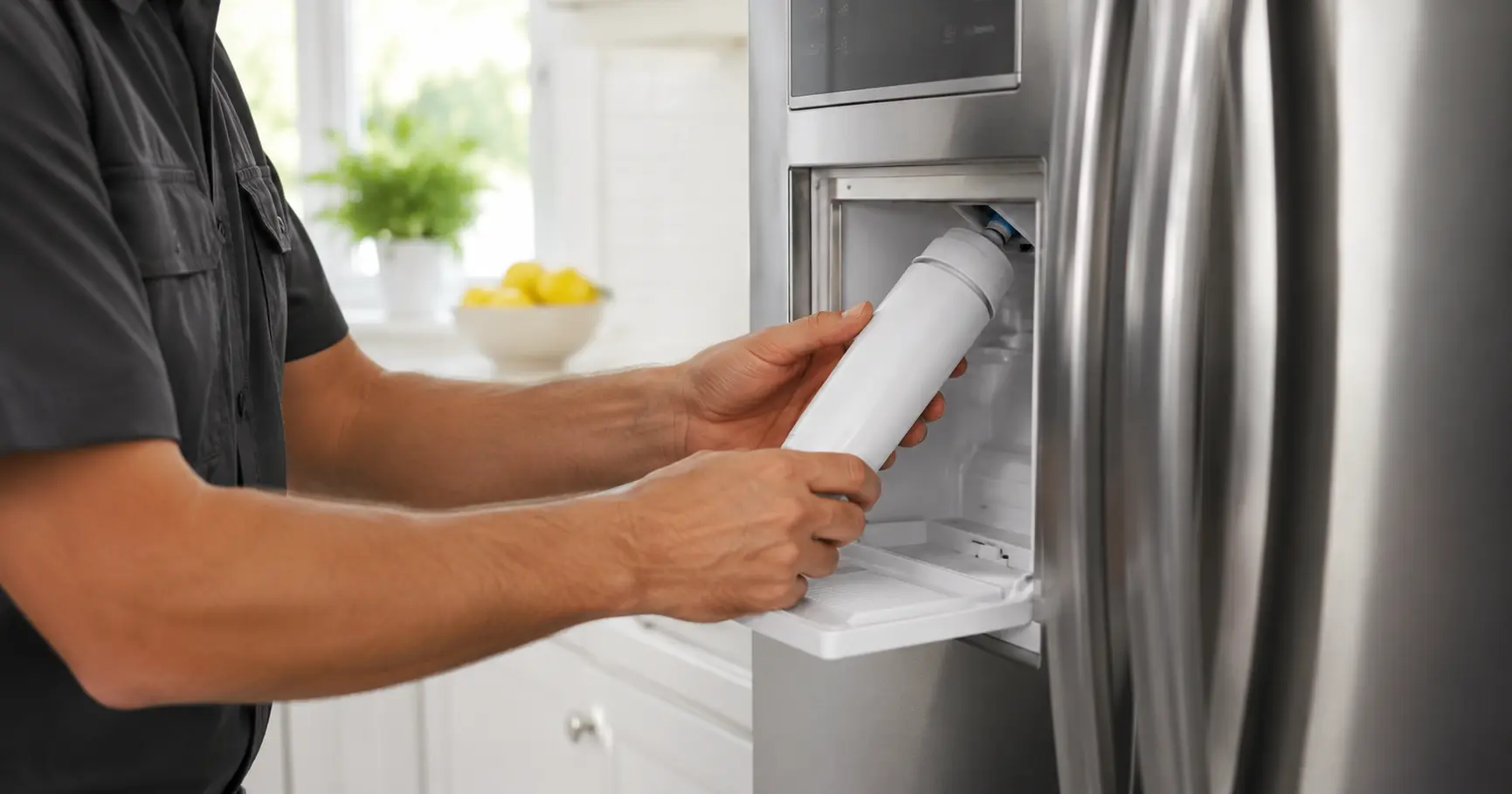
4. The Water Filter May Be Clogged or Overdue
Many refrigerator ice makers rely on the refrigerator water filter. When the filter gets clogged or overdue for replacement, water flow can slow down. That can lead to smaller cubes, hollow cubes, delayed filling, or reduced ice production.
If your refrigerator also has a water dispenser, pay attention to the water flow. If the dispenser is slower than normal, the filter or water supply may be affecting both the dispenser and the ice maker.
Replacing the filter is often a reasonable first step if it has been a while. Just make sure the filter is seated correctly after installation. A filter that is not locked in all the way can cause water flow problems too.
5. Water Pressure or the Supply Line May Be Restricted
Your ice maker needs a steady supply of water. If the water line behind the refrigerator is kinked, partially closed, frozen, or restricted, the ice maker may not fill properly. This can show up as small cubes, thin cubes, hollow cubes, or very slow production. Sometimes the ice maker is cycling, but it is not getting enough water to make a full batch.
If the refrigerator was recently moved for cleaning, flooring, painting, or kitchen work, check behind it carefully. A water line can get pinched without anyone realizing it.
6. The Condenser Coils May Be Dirty
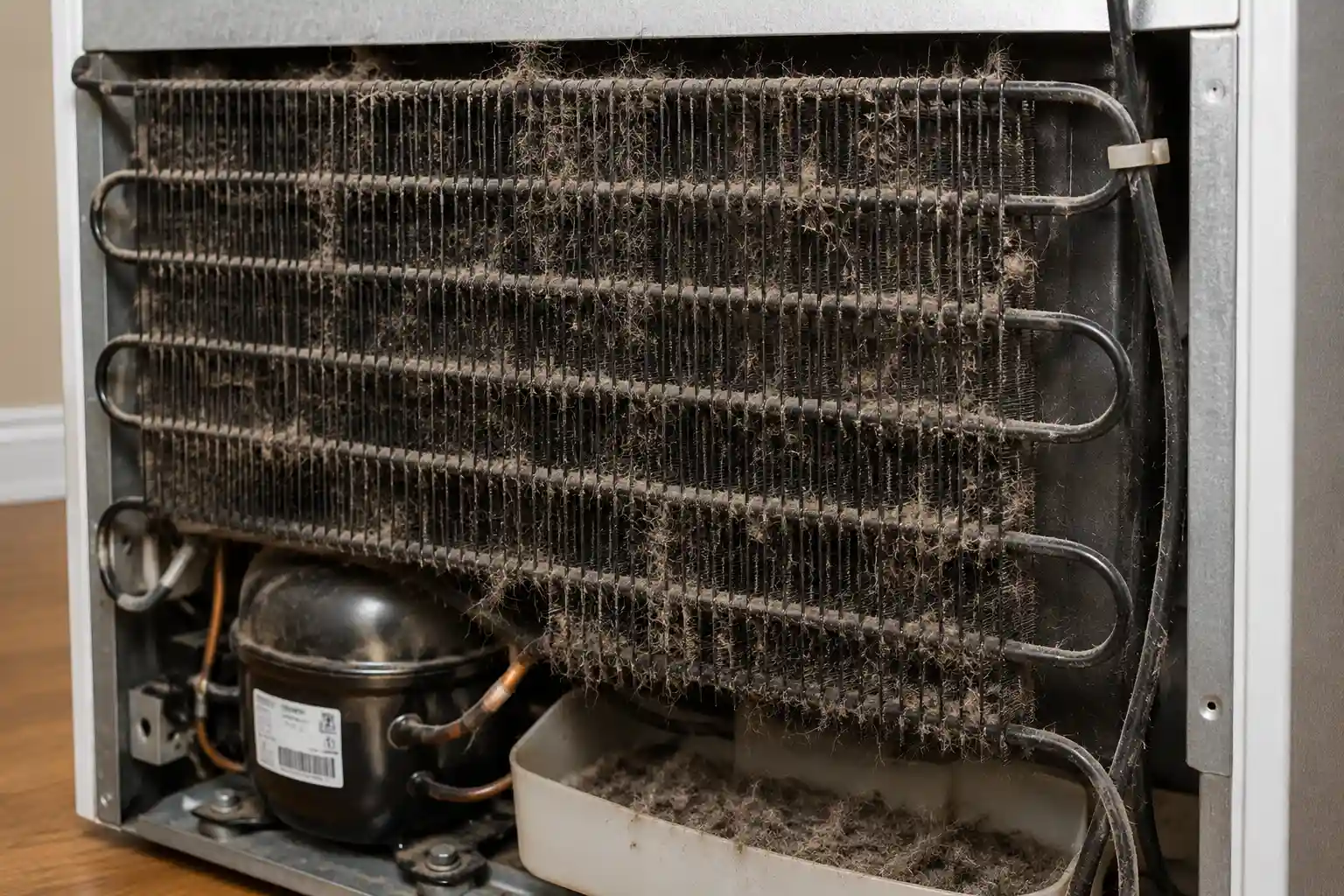
Dirty condenser coils can make a refrigerator work harder, especially in the summer. When dust, pet hair, and debris build up around the coils, the refrigerator may struggle to release heat. That can affect overall cooling performance, including freezer temperature and ice production.
This is one of those issues that does not always look dramatic at first. The refrigerator may still feel cold, but it may run longer, recover more slowly after door openings, and have a harder time keeping the freezer cold enough for steady ice production.
If your refrigerator has accessible coils, cleaning them may help the appliance run more efficiently. Always follow the manufacturer’s guidance and unplug the refrigerator if required before cleaning.
7. Freezer Vents May Be Blocked
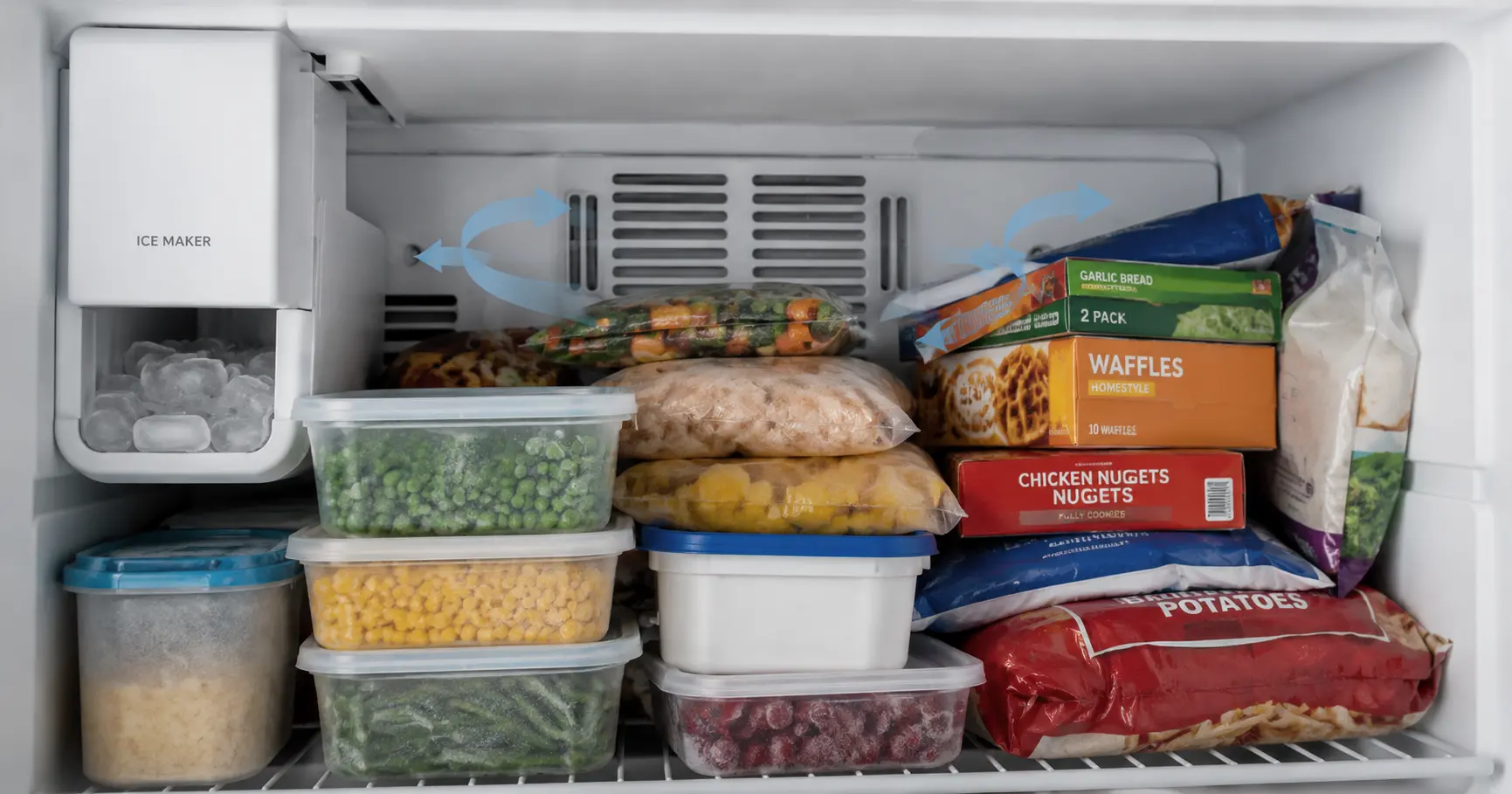
Freezers need airflow. If food packages, bags, or containers block the vents, cold air may not circulate properly. The freezer may have cold spots and warm spots, and the ice maker may sit in an area that is not staying cold enough.
This is common after grocery trips, holiday weekends, or summer parties when the freezer gets packed full. Try rearranging items so the vents are clear and air can move around the compartment. Then give the freezer several hours to stabilize.
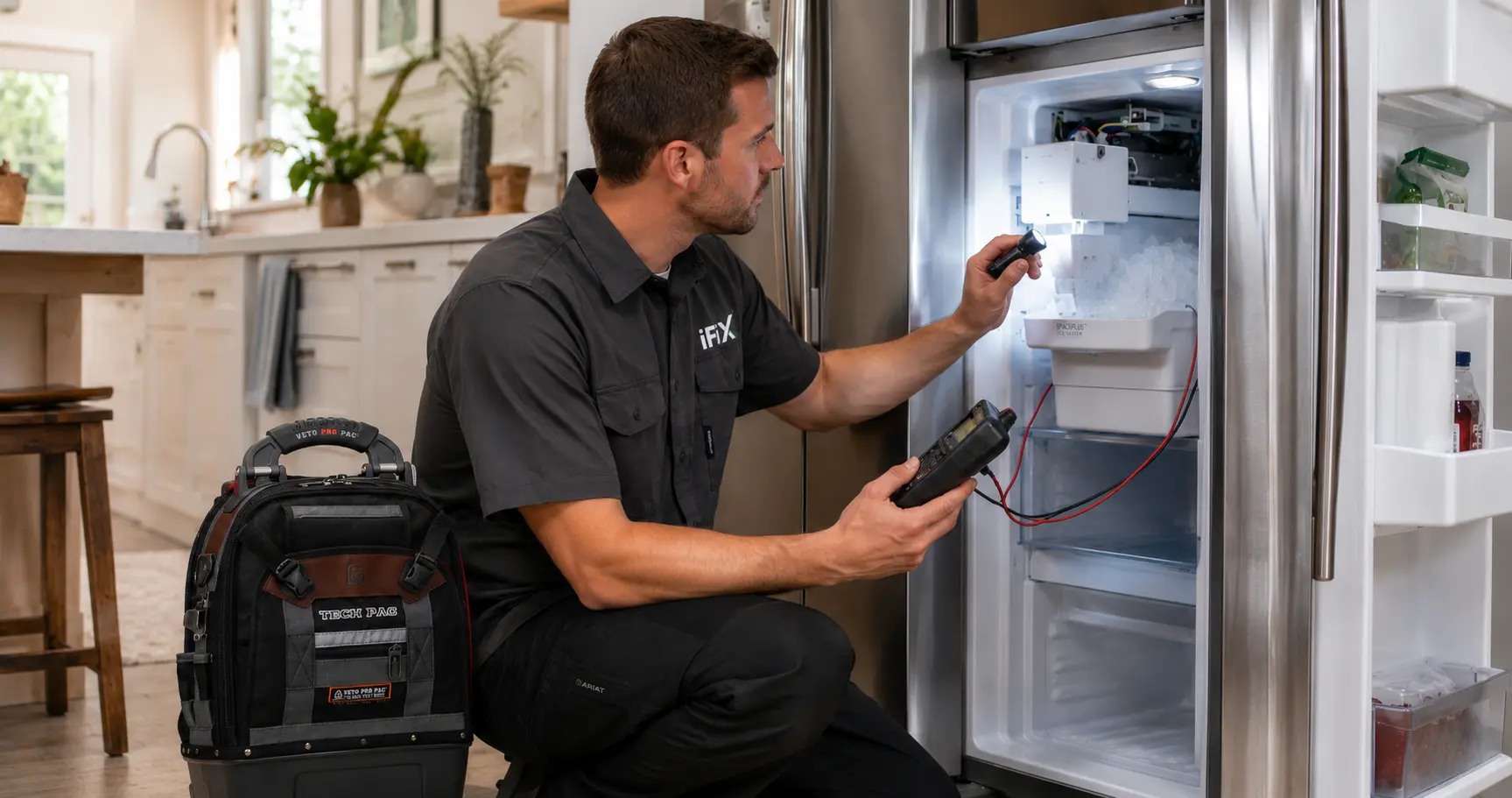
8. The Ice Maker Itself May Have a Component Problem
If the freezer is cold, the water filter is good, the water flow seems normal, and the ice maker still cannot keep up, the issue may be with the ice maker assembly or one of its related parts.
Depending on the refrigerator, possible causes can include a weak water inlet valve, a frozen fill tube, a faulty ice maker motor, a sensor issue, a thermostat problem, or a control problem. These are harder to confirm without proper testing because several symptoms can look similar from the outside.
This is where guessing can get expensive. Replacing a filter is simple. Rearranging freezer items is simple. But once you get into valves, sensors, wiring, or ice maker assemblies, it usually makes sense to have the issue diagnosed instead of replacing parts at random.
What to Check Before Calling for Ice Maker Repair
Before assuming the ice maker needs repair, start with a few practical checks:
- Make sure the freezer is cold enough and food is staying fully frozen.
- Check whether the ice bin refills overnight when nobody is using ice.
- Replace the water filter if it is overdue or water flow has slowed.
- Look behind the refrigerator for a kinked or pinched water line.
- Make sure the freezer door closes tightly and the gasket seals well.
- Clear blocked freezer vents and avoid overpacking the compartment.
- Clean accessible condenser coils if they are dusty or covered in pet hair.
- Confirm the ice maker is turned on and the shutoff arm or sensor is not blocked.
After making these checks, give the refrigerator time to recover. Ice production is not instant, so it may take several hours or longer to see whether the bin starts filling again.
When a Slow Ice Maker May Be a Bigger Refrigerator Problem
A slow ice maker by itself is often manageable. But if it comes with other symptoms, it may point to a larger refrigerator or freezer issue.
Pay closer attention if you notice:
- Food in the freezer is softening.
- Ice cream is melting or unusually soft.
- The refrigerator section feels warmer than normal.
- The freezer temperature changes throughout the day.
- The refrigerator runs constantly but does not seem to recover.
- Ice cubes are smaller, hollow, or misshapen.
- The water dispenser is slower than usual.
- There is frost buildup around vents or the ice maker area.
- Water is leaking near the refrigerator or ice maker.
- The ice maker stops completely instead of just slowing down.
Those signs move the problem from “maybe summer demand” to “something may not be working correctly.” It may still be a fixable issue, but it is worth taking more seriously.
Should You Wait and See?
It depends on what you are seeing. If the ice maker is still making normal cubes, the freezer is staying cold, and the bin catches up overnight, it is reasonable to watch it for a bit after checking the basics. You may be dealing with higher summer demand.
If the ice maker keeps falling behind even when ice use is low, or if you notice temperature problems, weak water flow, small cubes, or melting freezer items, waiting may not solve it. At that point, the question becomes whether the issue is a simple adjustment, a water supply problem, or a part that needs to be tested.
For a homeowner, the best next step is not panic. It is clarity. You want to know whether this is normal seasonal strain, a maintenance issue, or a repair-worthy symptom before spending money on the wrong fix.
Is It Worth Repairing an Ice Maker?
In many cases, yes, especially if the refrigerator is otherwise cooling well and the issue is limited to the ice maker or water supply. A clogged filter, restricted water line, frozen fill tube, or faulty valve can be much less serious than a full refrigerator cooling failure.
But the age and condition of the refrigerator matter. If the refrigerator is older, has multiple issues, struggles to hold temperature, or has needed several repairs recently, it may be worth thinking about the bigger picture before approving a repair.
That does not mean replacement is automatically the right answer. It just means the diagnosis should help you make a practical decision. A good appliance repair visit should tell you what failed, whether the refrigerator is otherwise operating correctly, and whether the repair makes sense for the appliance you have.
Clear Next Steps
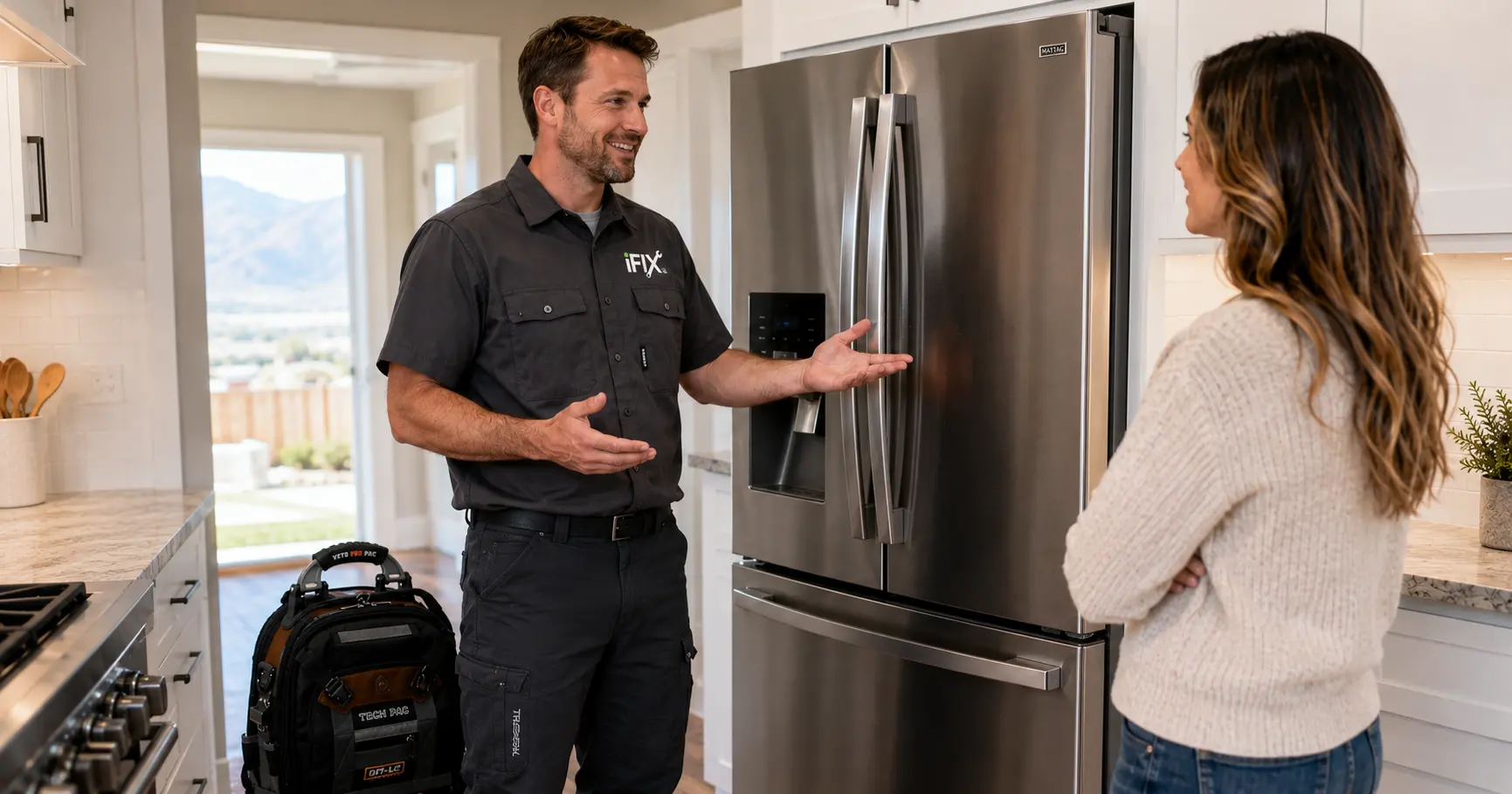
If your ice maker is slow during the summer, start with the simple checks: freezer temperature, water filter, door seal, airflow, water line, and ice usage. Then give the refrigerator time to produce more ice when the freezer is not being opened constantly.
If the ice maker still cannot keep up, or if you are seeing warning signs like small cubes, weak water flow, inconsistent freezer temperature, soft frozen food, or no ice production at all, call iFiX Appliance Repair and describe what is happening. We can help you think through whether it sounds like normal summer demand, a filter or water supply issue, or something worth diagnosing.
You do not have to know the exact problem before you call. That is the point of getting a straight answer.
FAQs About Slow Ice Makers in Summer
Why does my ice maker make less ice when it is hot outside?
Hot weather can make your refrigerator and freezer work harder, especially if the kitchen is warm or the freezer door is opened often. If the freezer temperature rises, the ice maker may slow down until the compartment gets cold enough again.
Is it normal for an ice maker to be slower during summer?
It can be normal for the ice bin to empty faster during summer because the household uses more ice. However, the ice maker should still produce ice consistently. If it barely refills overnight or the cubes look smaller than usual, something else may be affecting production.
How long should it take for an ice maker to refill?
Many refrigerator ice makers need several hours to make batches of ice, and an empty bin can take a day or more to refill depending on the model. If your bin does not recover after a long period with little or no ice use, it is worth checking temperature, water flow, and filter condition.
Can a dirty water filter make an ice maker slow?
Yes. A clogged or overdue water filter can reduce water flow to the ice maker. This may cause slow ice production, small cubes, hollow cubes, or dispenser flow problems.
Can the freezer be cold but still not cold enough for the ice maker?
Yes. A freezer may feel cold by hand but still be warmer than ideal for steady ice production. A freezer thermometer gives a more reliable answer than guessing by feel.
Why are my ice cubes smaller than normal?
Small or hollow cubes often point to a water flow issue. Possible causes include a clogged filter, low water pressure, a kinked water line, a partially frozen fill tube, or a weak water inlet valve.
Should I turn the freezer colder to make more ice?
A small adjustment may help if the freezer is running slightly warm, but turning the temperature too low is not always the answer. If the freezer cannot maintain the correct temperature, or if cooling is inconsistent, the underlying issue should be checked.
When should I call for ice maker repair?
Call for help if the ice maker continues to lag after basic checks, the bin does not refill overnight, cubes are small or hollow, water flow is weak, the freezer temperature is inconsistent, or frozen food is softening. Those symptoms may point to a water supply, ice maker, or refrigerator cooling issue that needs proper diagnosis.
Is a slow ice maker a sign my refrigerator is failing?
Not always. A slow ice maker can be caused by heavy summer use, a clogged filter, blocked airflow, or a water supply restriction. But if the refrigerator or freezer is also struggling to stay cold, the issue may be larger than the ice maker.
Can iFiX help me decide whether this is worth checking?
Yes. If you are not sure whether your slow ice maker is normal summer demand or a real appliance issue, call iFiX Appliance Repair and explain what you are noticing. We can help you think through the likely causes and the best next step.
Call (801) 731-4349 or book online. Same-day appointments available.